Purpose
How the evidence is assembled.
xigou.org is an independent reference publication. Its task is to make useful evidence accessible without turning interpretation into fact or repetition into authority.
Each major claim should be traceable to a peer-reviewed paper, museum record, institutional document, dated historical object or clearly identified field source. Secondary summaries are used as routes to evidence, not as substitutes for it.
Evidence labels
Three levels of certainty.
Documented
Supported directly by a source that can be inspected: a dated object, institutional record, standard, scientific paper or identified photograph.
Plausible
Consistent with available evidence but not decisively established. Geography, morphology and oral history can frame a question without settling it.
Unproven
Repeated without adequate support, contradicted by stronger evidence or too broad for the available record. Memorable wording does not improve the evidence grade.
Open question
A gap that deserves further documentation. Open questions are kept visible so absence of evidence is not quietly converted into certainty.
Research synthesis
How research reports enter the process.
Long-form research reports can surface Chinese terminology, archives and conflicting claims quickly. Every material conclusion is then checked against the underlying standard, paper, museum record or rights statement before publication.
The August 2026 review corrected measurements, separated two Tang tomb programmes, expanded the genomic ledger and withheld unsupported population, speed, stride and direct-lineage claims.
Corrections
The record can improve.
Material corrections are dated and explained. Distinguishing Prince Yide’s dog panel from Prince Zhanghuai’s hunting procession is an example: both are dated 706, but they are different objects in different tombs.
New evidence may change an interpretation or regional label. Earlier wording will not be defended merely because it has already been published.
Images and contributions
Provenance is part of the caption.
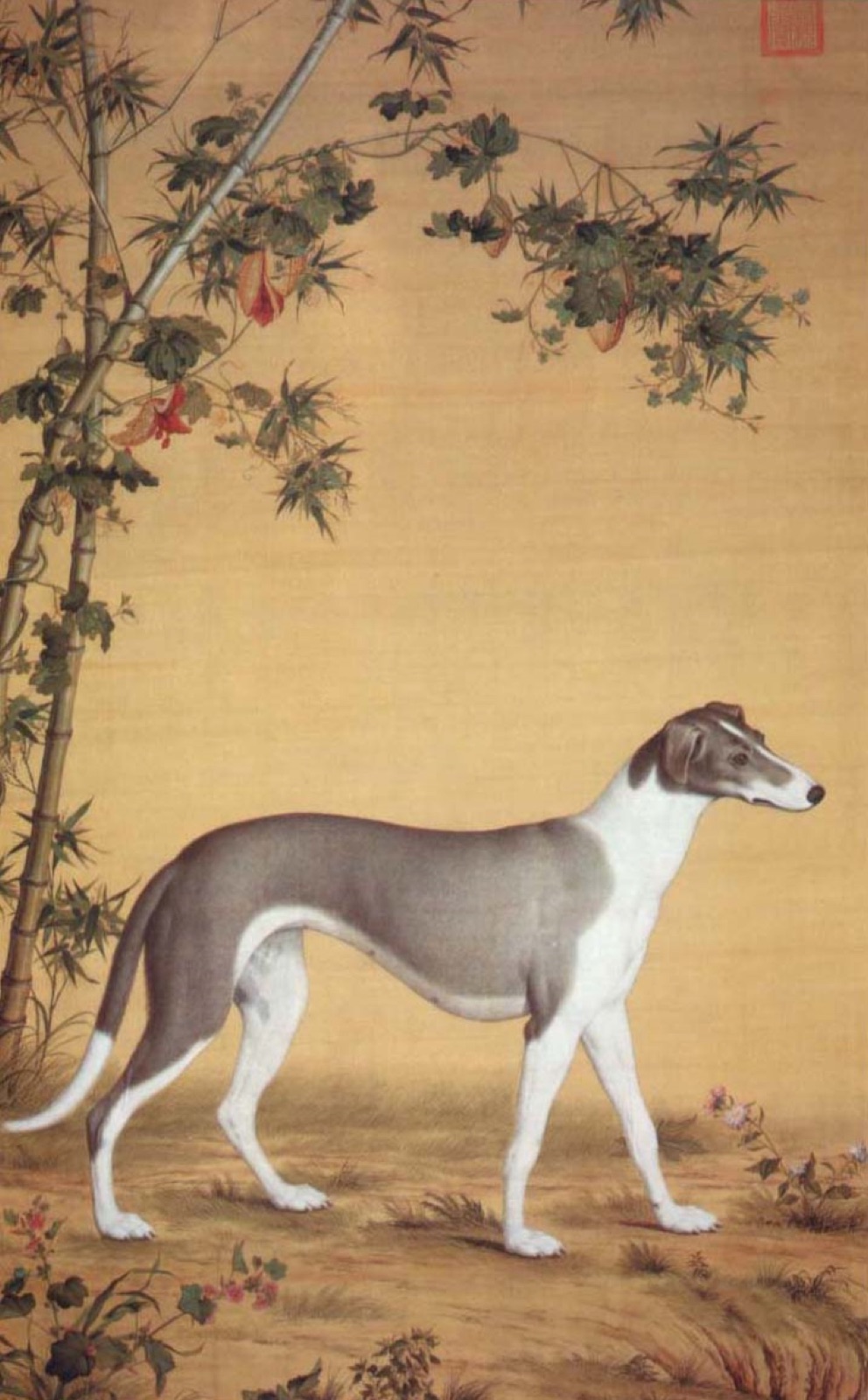
Historical images are labelled by creator, date, collection and rights status wherever those details are available. Contemporary photographs require clear identification and reuse permission before publication.
Corrections, primary sources and documented field knowledge may be sent to hello@xigou.org.